
A Sweet Purim

Purim is a minor holiday: a 24 hour window of time that can be easy to overlook whether you’re Jewish or not.  But I see it as an opportunity for all of us to reflect on a fantastic story, to honor the strong women in our lives, and – naturally – to eat and give away cookies: those tempting traditional triangles called Hamantaschen.

Purim commemorates the biblical story of Esther, a young queen who saved hundreds of lives through an act of courage. As an observant Jew, Esther’s cousin Mordecai had refused to bow down to the king. His defiance infuriated the king’s assistant, Haman, who then convinced the king that not only Mordecai, but all Jews, were disloyal and must die. The date of the massacre was determined by the casting of lots (Purim’s namesake). But before any murder could happen, the queen bravely revealed her heritage to the king, standing up and pleading that he save her people. And in the end, he did.

My own ties to Judaism come by way of the most Esther-like woman I’ve ever known: my maternal grandmother. Disowned by her father for marrying a gentile, she fled the Bronx for California in her early twenties, courageously starting a family and a life of independence. With the religious dogma of her past behind her, her Judaism was carried on  through only her remaining family ties, her cultural habits and her cooking—including baking cookies.

As you might have guessed, Hamantaschen cookies are named after the villain of the Purim story. The word is said to mean “Haman’s hats”, “ears” or “pockets,” and certainly, the cookies resemble little pouches stuffed with scrumptious fruit. Their triangular shape, from what I’ve heard, symbolizes Sarah, Rebecca and Rachel: the three matriarchs who inspired Esther. I like to imagine them as I think of my life’s own Esther, baking Hamantaschen in all of their honor.

Below is an old family recipe for traditional hamantaschen. Check out my newer creative twists on hamantaschen here and here!

Hamantaschen  (makes about 3 dozen)

  • 1 cup unsalted butter, softened to room temperature
  • 1/3 cup granulated sugar
  • 2 eggs, at room temperature
  • 2 teaspoons pure vanilla extract
  • Finely grated zest of a lemon or orange
  • 3.5 cups all purpose flour
  • 2.5 teaspoons baking powder
  • 3/4 teaspoon table salt
  • About 1 cup jam or preserves*

Beat together the butter and sugar until pale and fluffy. Keep beating, adding vanilla, eggs (one at a time), and citrus zest.  Whisk remaining dry ingredients over the bowl, beating until fully incorporated. Use your hands to knead dough for a few minutes, until it easily comes together a ball. If it’s too dry, gradually add drops of melted butter — up to 2 teaspoons. (Avoid making the dough too wet; stop adding liquid as soon as it forms a non-crumbly ball that feels fit for rolling.)

While dough is still at room 2014-03-15 09.42.05temperature, roll it out on a floured surface using a little dough at a time, about 1/6″ thick. Cut into 3” circles, adding a heaping teaspoon of preserves to the center of each. Fold the sides upward to create a triangular window of fruit in the center. Seal outer corners well by squeezing firmly. Also squeeze inner corners very well (window edges), as they tend to want to fold open when baked.  Freeze the filled cookies for 20-30 minutes, or refrigerate for an hour or so. Meanwhile, preheat oven to 350 F and line baking sheets with parchment paper.

Place chilled cookies on the prepared cookie sheets with at least 1.5 inches between them. Bake for 15-18 minutes, until corners and bottoms are golden brown. Let cool completely (the filling gets very hot!). If desired, dust with powdered sugar or drizzle with melted chocolate before serving.

With dough that’s just barely sweet, these cookies are a great vessel for their decadent centers. Of course, the real sweetness of Purim can be celebrated with a simple, brief pause of reflection — a moment of gratitude for the acts of courage we have witnessed; a moment in awe of the brave people we have known.  Cookies and a crown are optional, but highly encouraged.

*Maybe next time… The cookie dough is rather plain, so feel free to try adding extra citrus zest, some vanilla bean, or a few drops of almond extract to the dough while mixing. You can also add another few tablespoons of sugar if you prefer a sweeter dough. For a prettier outcome, lightly brush dough with egg white wash just before baking (whisk an egg white well with a teaspoon of water, avoiding pooling). Traditional fillings are apricot, prune, and poppy seed — but by all means, use any filling you like! Pre-made jams, preserves, or pastry fillings are convenient, with thicker varieties yielding the best results. You can also make your own filling by cooking dried fruit and even chopped nuts with tiny bit of water or juice, then pureeing it.

Posted in Cookies & Bars, Sweets | Tagged , , , , , , , , , , , , , , , , , , , , , , , , , , , | 20 Comments

Learning to Love Lavender (Biscotti)

When I posted a rosemary cookie recipe online last summer, a sweet commenter suggested that I use lavender as an ingredient in the future. I was thrilled to have a recommendation, and I loved the idea of it. After all, I really appreciate the beautiful, fragrant lavender bushes I walk by daily in my neighborhood.

Yet, despite both my fondness of lavender and its growing popularity in desserts, I was hesitant to reach for the flowers as a baking ingredient. You see, when I tried to make sweets with it many years ago, the resulting taste brought to mind fragrant bath soap (wince!); I quickly discarded the whole sheet of cookies and brushed my teeth. While I knew the real problem was that I’d used far too many flowers, I decided that eating lavender was just not my thing.

But I’ve baked hundreds of cookies since then, and now was certainly time for a fresh, open look at the possibilities of lavender. After mulling it over for a while, I decided on biscotti because of its twice-baked process, which tends to mellow the flavors of whatever one puts in it. The result was as delicious as it was transformational.  Ever since I made these biscotti, a whiff of lavender now fills my mind with cookies instead of soap!

Here is how I made them…

Lavender Biscotti 

[makes about 24 small (3” long) biscotti]

  • 1 cup flour
  • ½ teaspoon baking soda
  • ½ teaspoon salt (omit if using salted nuts)
  • ½ cup brown sugar, packed
  • 1 large egg
  • ½ cup whole almonds
  • ½ teaspoon pure vanilla extract
  • 1.5 teaspoon whole anise seeds
  • 1.5 teaspoon dried lavender flowers

Preheat oven to 325 F. Line a large baking sheet with parchment. Using a mortar & pestle or the back of a spoon, smash the anise and lavender just a bit to break them up and release their flavor. In a separate, large bowl, beat together the sugar, egg, and vanilla until smooth. Sift flour, baking soda, and salt (if using) over the egg mixture; mix well. Add the lavender and anise, mixing until evenly distributed. Fold in the nuts.

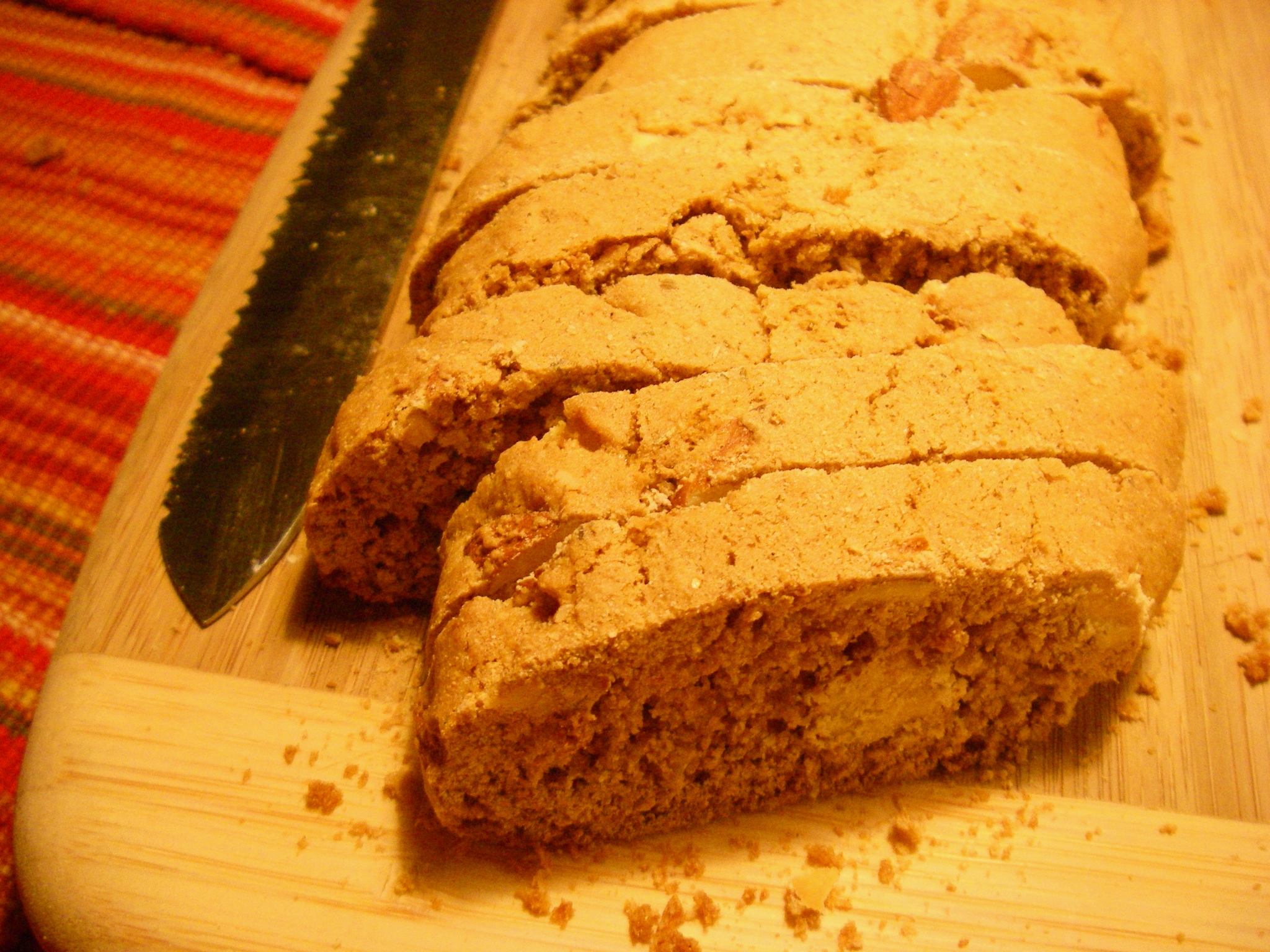
On the prepared cookie sheet, form a log about 15” long, 1.25” wide, and 1” tall.  Bake the loaf 26-29 minutes, until center is firm to the touch and surface looks dry and is starting to crack. Remove from oven, and once it’s cool enough to handle, transfer loaf from cookie sheet to cutting board in order to speed cooling. Let loaf cool until room temperature (about 20 minutes), then use a sharp serrated knife to carefully cut loaf diagonally into ½” slices. Set slices back on baking sheet, cut side down, and return to 325 F oven for 7-9 minutes. Remove and flip cookies to opposite sides, baking for another 7-9 minutes. Remove and let cool completely.

While quite flavorful, these biscotti aren’t too sweet. To make them a little sweeter (and prettier), top them with some icing if desired. Whisk together 1/3 cup powdered sugar, 1-2 teaspoons brown sugar, ½ teaspoon vanilla, and 2-3 teaspoons lemon juice until smooth. Drizzle icing over the tops of cooled biscotti, then let them dry completely. Alternatively, melted chocolate or white chocolate would work well.

Maybe next time… Almost any nuts (chopped or whole) could be delicious in place of almonds. I found that the lavender and anise paired well together, but if you like one of these more than the other, freely adjust their ratios. Finally, this is a rather small recipe, but it’s easy to double (just bake two logs alongside each other).  After all, the more cookies, the better!

Posted in Baking with Flowers, Cookies & Bars, Sweets, Traditional with a Twist | Tagged , , , , , , , , , , , , , , , , , , , , , , | 13 Comments

A Low Key Lime Pie

Winter citrus lures me in. Vibrant in the midst of gray-sky days, these seasonal fruits burst with a sense of refreshment that simply feels needed. Sitting in my office the other day, an acquaintance stopped at my door and caught me staring out my window into the overcast horizon. As if offering a healing aid, she reached into her tote bag, pulled out several little limes, and set them on my desk. “My tree has done well this year,” she commented, then casually smiled and walked away. Her gesture made my day.

Unlike the more common green variety, these limes were smaller and more yellow than I was used to. When I got home and tasted one of them, I became enamored with its tart but soft flavor. After some research into the wide world of limes, I still couldn’t verify their exact strand, but I found out that this local fruit was closer to the Mexican or Key lime than the better known Persian or Tahitian type. (I also discovered red limes, orange limes, and lumpy limes, and I learned about “Key Lime” being a retronym that doesn’t necessarily mean the limes are from Florida.)  That was plenty of investigation, especially for me, whose sugar-goggles had already ascertained the most important feature of the limes: their dessert potential. Here’s what I made:

A Low Key Lime Pie (serves 8-12)

Crust:

  • 9-10 ounces graham crackers and/or hard gingersnaps (about 2 cups crumbs)
  • 1/4 – 1/3 cup melted butter

Filling:

  • 1.5 cup sweetened condensed milk
  • 4 large egg yolks
  • finely grated zest of 4 small or 3 large limes
  • juice of 2 small or 1.5 large limes, seeds removed
  • 2 tablespoons sugar
  • 1/4 – 1/2 teaspoon pure lime oil*

Topping:

  • 1 cup whipping cream, chilled
  • 2 tablespoons sugar
  • ½ teaspoon vanilla extract

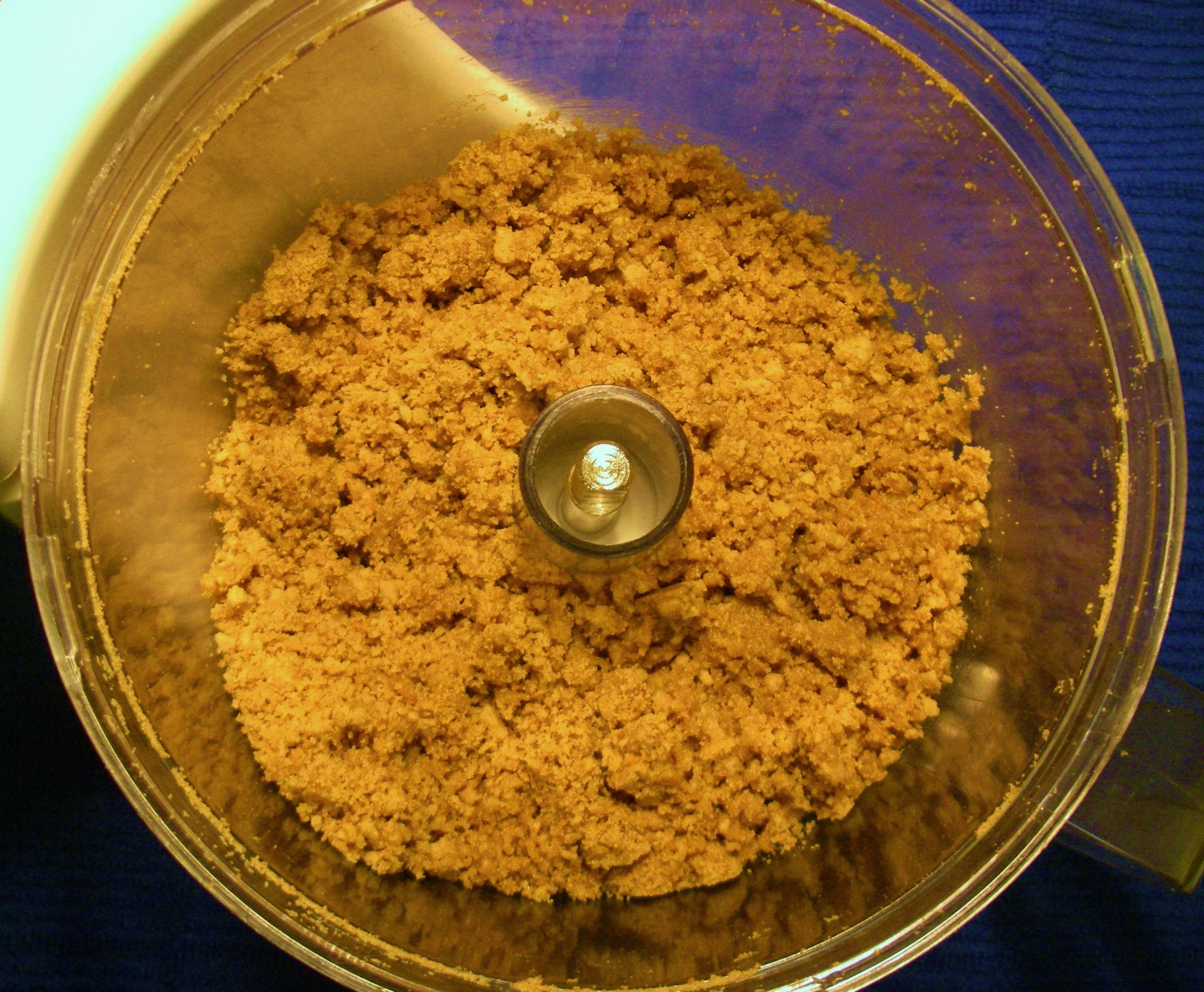
Preheat oven to 350 F. Break up the graham crackers and/or gingersnaps as much as possible by hand, then transfer to a food processor and add 1/4 cup melted butter with machine on. Pulse off an on for 3o seconds to a minute, until the crumbs are moist and roughly uniform in size. (I used a mixture of graham crackers and gingersnaps, both gluten free, which was tasty and safe for my wheat-free friends.) If mixture seems too dry, add more melted butter. Push the buttery crumbs evenly into bottom and sides of a 9” pie pan, preferably glass. Bake for about 12-15 minutes, until fragrant and slightly browned.

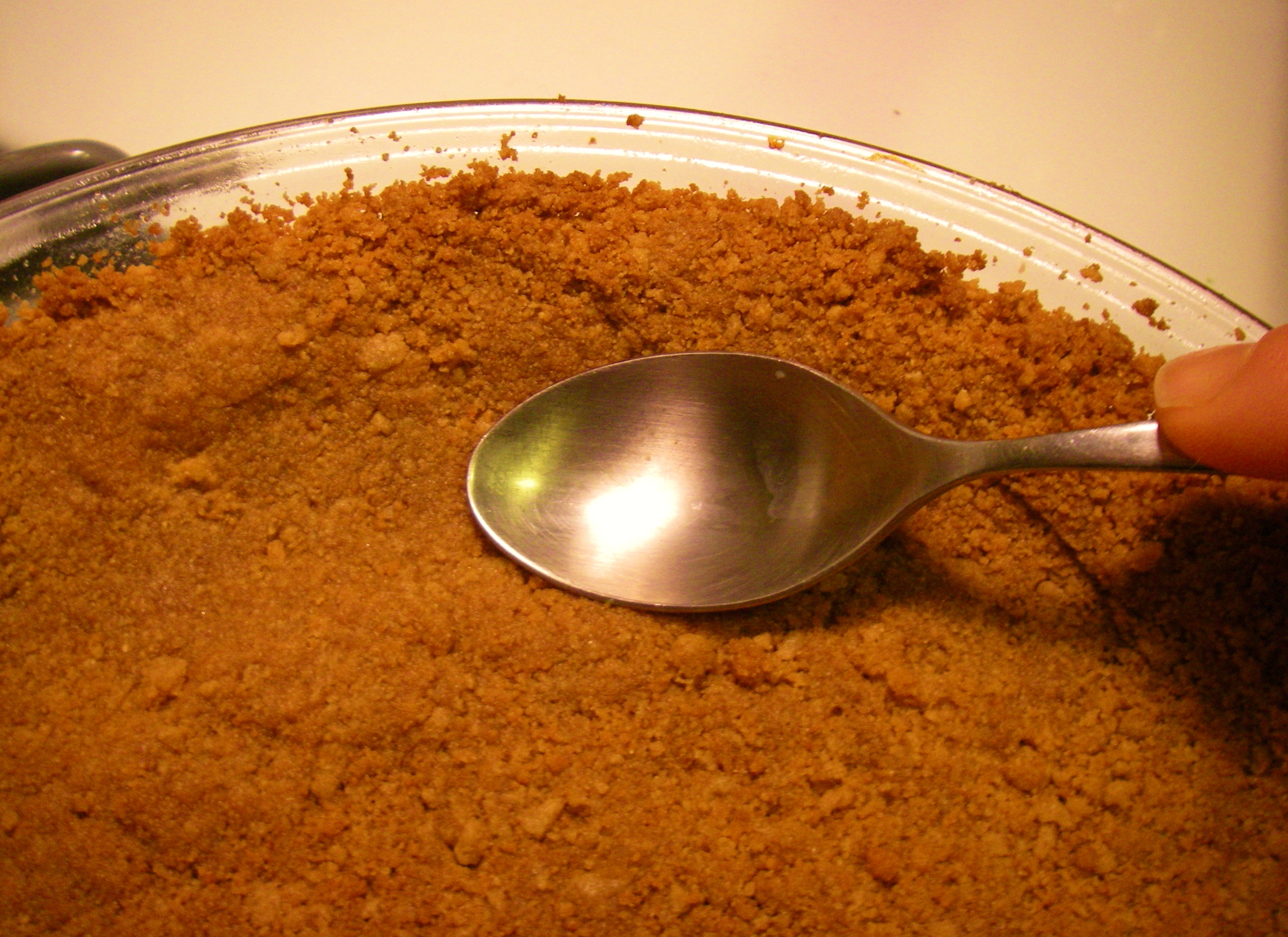
Carefully remove crust from oven. While still warm, use the back of a spoon to gently press on the inner sides (and on center if uneven). If the top edges seem too crumbly, carefully drizzle a bit more melted butter just around the rim. Let the crust sit at room temperature for at least 10 minutes before filling it.

In a separate bowl, beat all filling ingredients until smooth and even, about 2 minutes. Pour filling into the crust, then bake for about 18-20 minutes, until center is firm. Beat the topping ingredients with an electric mixer until stiff and creamy; refrigerate until pie is cool. After the baked pie is completely cool, spread whipped cream evenly over it.  If desired, decorate with fresh peppermint leaves. Keep pie refrigerated; eat within 2-3 days.

This pie is creamy, tart, sweet, and decadent. It’s a great winter dessert with its rich, custardy filling, yet its cool and tangy qualities would be welcome in the summer.  I decided to name it “a low key lime pie” for three main reasons. First, it’s a low key, easy-to-make dessert; it’s free of fancy frills or complicated steps.  (Perfect for a 3-day weekend like the one that’s about to start!)  Second, it is literally low – that is, not very tall – and is almost more like a tart height-wise. (I wanted to keep it this way so that each rich slice would not be overwhelming.) Finally, I could hardly imagine a lime pie not called “Key lime pie” – though this specific type of lime is not necessary for my recipe.

Maybe next time… I found this pie to be on the sweet side; my taste-testers swore not, and since the servings are small, the sweetness doesn’t overwhelm the taste. But if your palate usually calls for less-sweet things, you could easily omit or reduce the 2 tablespoons of sugar from the filling. Also, if you wanted to make this pie taller, you could multiply the filling ingredients by 1.5 and bake it longer, then tower it with whipped cream once cool.  If you do this, shorten the pre-baking of the crust a bit, so it doesn’t overcook when the whole pie gets baked longer; keep the slices small so that rich lime custard doesn’t knock you out!

*Instead of lime oil, you can simply add 2 extra limes’ worth of zest to the pie filling, but the lime flavor still won’t be quite as strong as the oil would yield. Pure lime oil (and its citrus sisters) are great additions to a baking pantry. The more you use, the lime-ier the pie will be (but it’s potent – I don’t suggest using more than 3/4 teaspoon in the pie filling).

Posted in Pies, Tarts, Tortes & Cheesecakes, Sweets | Tagged , , , , , , , , , , , , , , , , , , , , , , , , , | 1 Comment

A Sweet Valentine’s Day

I’ve always liked Valentine’s Day.  I know, I know: easy for married me to say, right?  But I even enjoyed it when I was single; I’d send my grandmother a card, call my dad, or just wear red and pink for the fun of it. And I still do.

Put simply, Valentine’s Day is a wonderful excuse to remind loved ones that they’re just that: LOVED! And it doesn’t take a lot to make someone feel special; no need to buy expensive teddy bears, dozens of red roses, or dinner at a crowded restaurant. All you need is a moment to stop and say Happy Valentine’s Day with spoken words, a pen, or — you guessed it — sweets!  

Here are some of my favorites:

  • Remember how easy it is to cut a symmetrical heart from paper? You can use one as a blank canvas for your handwritten greeting, then use it as a coaster or placemat of sorts. Try placing a bowl of those inexpensive candy conversation hearts atop a cutout heart. It’s cuter than you might imagine.
  • Got heart-shaped sugar sprinkles? Red or white candies? Leftover candy canes that can be crushed? Sprinkle these on cupcakes, ice cream, or even pie, and your Valentine’s Day is sure to be festive. Pick up a pre-made dessert, decorate, and you’re set!

And in case you feel like baking…

  • If you have any heart-shaped cookie cutters, the possibilities are nearly endless. Roll-and-cut sugar cookies or shortbread are always a favorite, or if you have less time, a pan of brownies or rice crispy treats can be cut into hearts once baked and cooled.
  • If available, a heart-shaped cake pan can turn any cake into a very special Valentine’s gift, whether from a mix or a recipe: chocolatey, lemony, or nutty. (Or, even easier, use the heart pan to make one giant heart-shaped brownie or rice crispy treat.)
  • No heart-shaped baking gear? Cookies that hold their shape well, such as peanut butter, can easily be indented with a heart, then filled with jam or chocolate. Use the end of a wooden spoon handle and a butter knife to press a heart into cookies just before and just after baking. Once cooled, fill the hearts with desired contents and a little love.

All I’m saying is this: celebrating Valentine’s Day doesn’t have to be tacky, pricey, or even lonesome. A little gesture of thoughtfulness doesn’t have to be arduous or expensive, and it often makes the giver feel as loved as the receiver. So go ahead: use the holiday as a reason to spread love to those around you. You might just find yourself surrounded with love, too.

Posted in Sweets | Tagged , , , , , , , , , , , , , , , , , , , , , | 6 Comments

Beautiful Beet Cupcakes

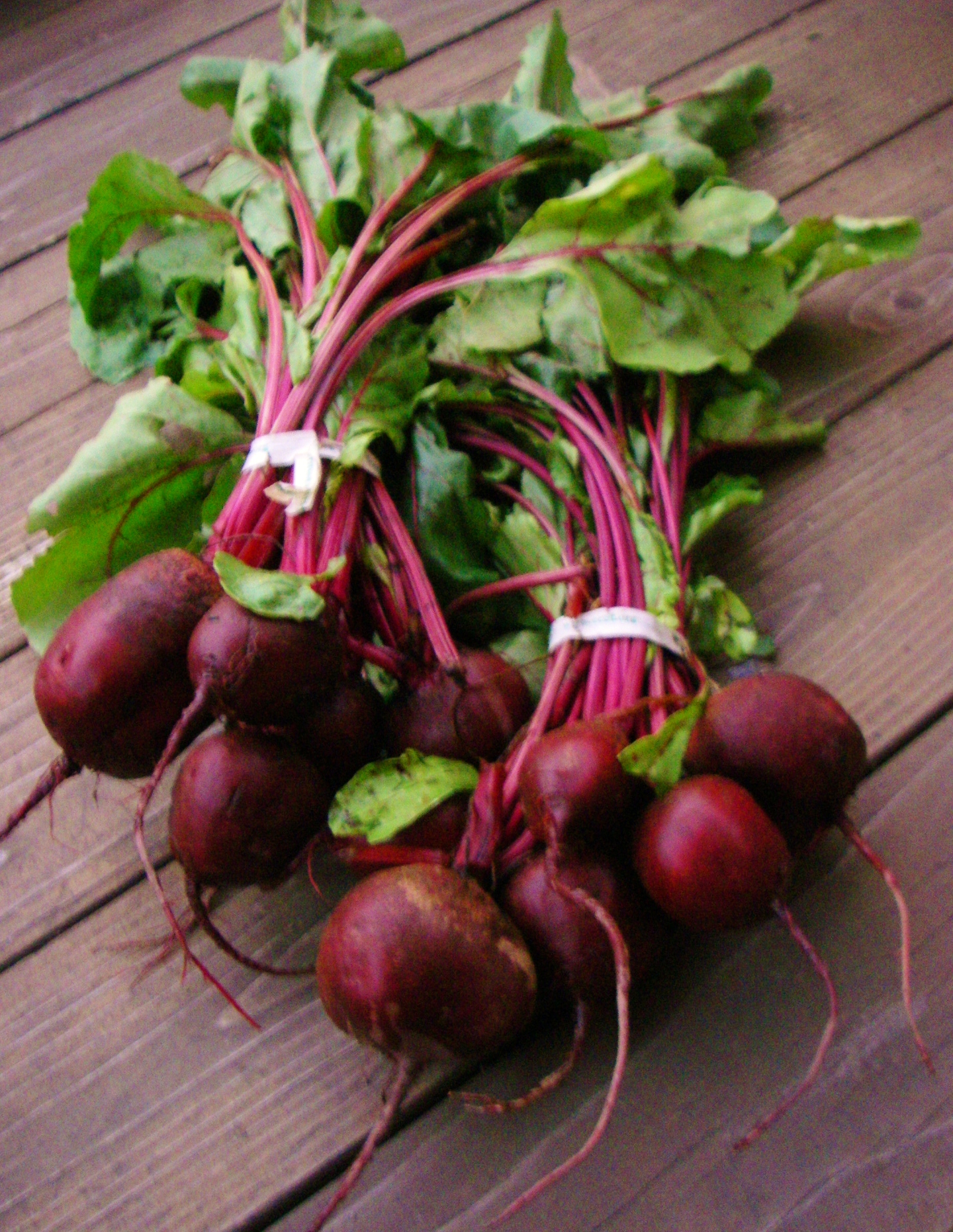
At a recent farmers market, I decided to finally buy an item that had magnetized me week after week: beets.  Of course, I’d had beets before – mostly cooked and on salads. But something about seeing them so often at the market  made me feel the same way I did about nasturtium flowers: they were beautiful in the temperate outdoor setting, and their potential to become a baked sweet treat was increasingly enticing.

Like black licorice and coconut, beets seem to be one of those foods that many people passionately abhor. But following the philosophy of zucchini bread and carrot cake, I decided to try transforming them into a more likeable format. Their vibrant color made the process as beautiful as it was delicious.

Beet Cupcakes (makes 12 standard sized cupcakes)

  • 2 eggs
  • ½ cup melted butter
  • ½ cup sugar
  • 1 cup flour
  • 1 teaspoon baking powder
  • ½ teaspoon baking soda
  • ½ teaspoon salt (omit if using salted butter)
  • ½ teaspoon each: ground cinnamon, nutmeg, and ginger
  • finely grated zest of one orange
  • 1 ¼ cup raw fresh beets – peeled, grated, and tightly packed

Frosting:

  • ½ cup (1 stick) softened butter
  • 8 ounces cream cheese, softened
  • ½ teaspoon pure vanilla extract
  • 1 cup powdered sugar
  • 1 teaspoon ground cinnamon
  • 2-3 tablespoons beet root powder (optional, but so pretty! Available at spice & herb shops such as Lhasa Kharnak)

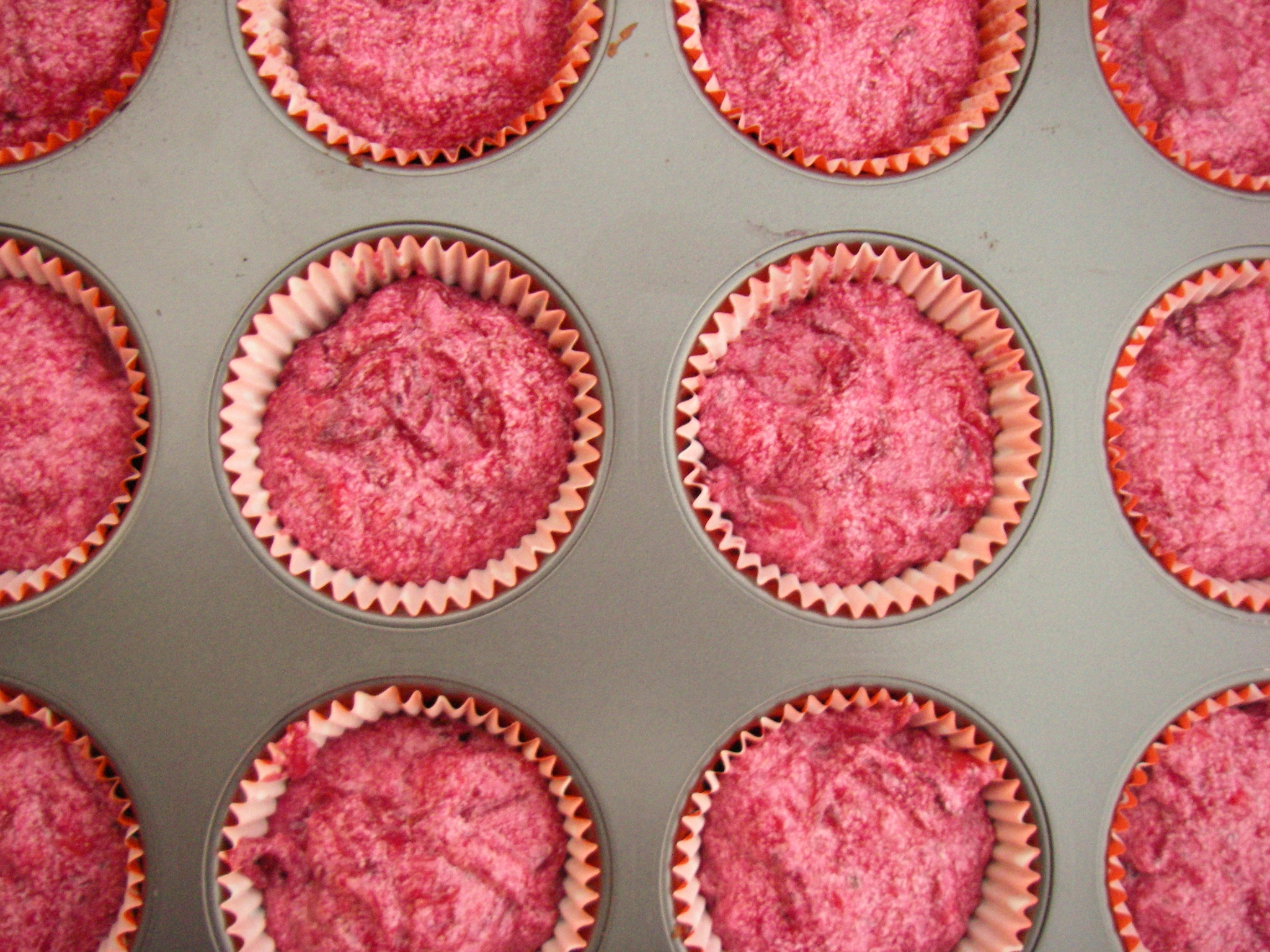
Line a muffin pan with 12 paper cups.  Preheat oven to 350 F.  Beat eggs, butter, sugar until smooth.  Sift remaining dry ingredients into egg mixture, mixing until combined. Fold in the beets and orange peel until evenly incorporated.  Enjoy the spectacle of that luminous magenta batter!  Fill cups 2/3 full. Bake 15-20 minutes, until toothpick inserted in center of cupcake comes out clean.

After a few minutes, or as soon as cupcakes are cool enough to handle, promptly remove them from the pan and transfer them to a wire rack or towel on your countertop. (This will prevent condensation on the bottom of the cupcakes and will speed the cooling process.)  Sadly, the batter turns brown once baked, but not to worry – frosting will bring back the color, and the baking process has created a delectable flavor.  Let cakes cool completely before frosting.

Frosting: Whip together the softened cream cheese, butter, and vanilla for 2 minutes.  Sift powdered sugar, cinnamon, and beet powder over it, beating in between additions. Once combined, chill frosting for at least 30 minutes, then transfer to a pastry bag (if using).  Pipe or spread the frosting over the tops of the cooled cupcakes.  If desired, decorate with sprinkles.

Beautiful beet cupcakes are a feast for the eyes and mouth alike. With their sweet spiciness and moist texture, they impart a trace of earthy beet flavor, but not enough to deter beet-haters – at least not in my experience.  For me, each glimpse serves as a reminder of the remarkable colors nature brings us in its purity, and each bite takes me back to the farmers markets I so enjoy visiting.

Maybe next time… Nuts or dried fruit are a welcome addition to these cupcakes.  Since the recipe is rather small, I suggest just a half cup of either one.  I can imagine chopped, toasted almonds or pecans, black or gold raisins, dried cranberries, or a little of each.

Posted in Baking with Veggies, Cakes & Cupcakes, Sweets | Tagged , , , , , , , , , , , , , , , , , , , , , , | Leave a comment